Atmosphere before inventory.
Hospitality design study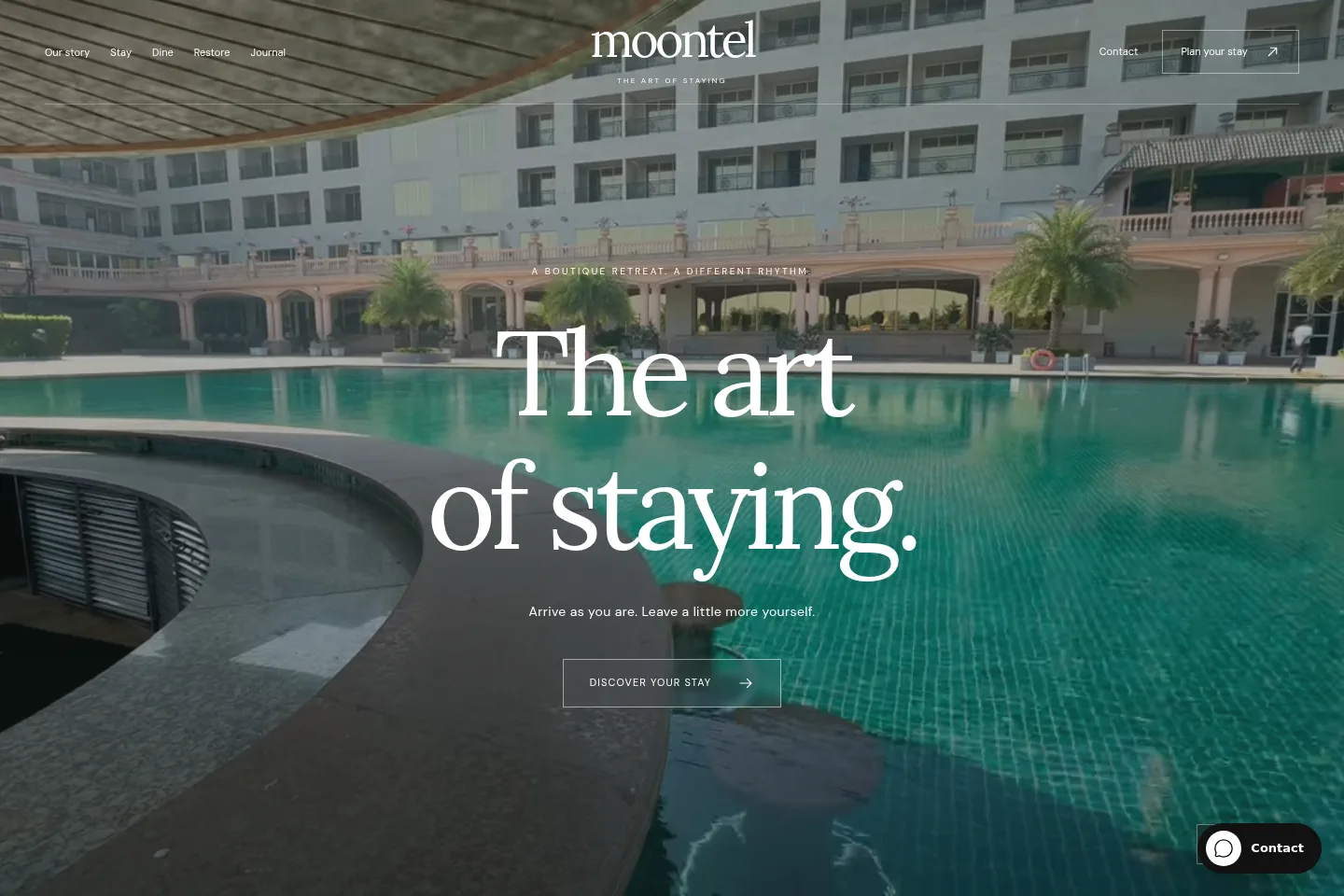 Atmosphere before inventory.View the design study
A calm visual hierarchy lets place, rooms and useful guest details unfold as one connected story.
 designlof.
CUSTOM WEBSITE DESIGN / A CLEAR POINT OF VIEW
We turn business context, audience questions and real content into a responsive website direction with character, clarity and useful next steps.

CHOOSE WEBSITE DESIGN WHEN
This service fits when you know the business goal but still need to decide what the website should say, which pages it needs and how people should move through them.
We can work from a new idea or redesign an existing site whose structure and visual direction no longer help.
WHAT YOU RECEIVE
You receive the agreed page designs, mobile behavior, reusable page parts and important interaction states needed for development.
The written scope names the exact pages, review rounds, files and responsibilities so you can see what is included.
THE DESIGN SYSTEM / EIGHT CONNECTED CAPABILITIES
A project uses the capabilities its brief requires. The scope records which pages, states, prototypes and content responsibilities are included.
Clarify who the website is for, what you offer, what matters most and what the website needs to achieve.
Group the content, name the menu items and plan a route people can understand without design knowledge.
Decide the purpose of each page, the message order, image roles, proof and calls to action.
Bring type, color, imagery, layout and movement together into a recognizable direction.
Design buttons, cards, forms and sections that can carry different content without losing consistency.
Plan the reading order and interaction for phones, tablets and larger screens.
Use animation to guide attention while keeping the page readable and respecting reduced-motion preferences.
Record the approved pages, reusable parts, behavior and open questions so the build has fewer assumptions.
THREE DESIGN STUDIES / THREE DIFFERENT JOBS
These are Designlof-owned studies rather than invented client results. Each one demonstrates how the same design principles can produce a different rhythm, hierarchy and visual character.
Atmosphere before inventory.View the design study A calm visual hierarchy lets place, rooms and useful guest details unfold as one connected story.
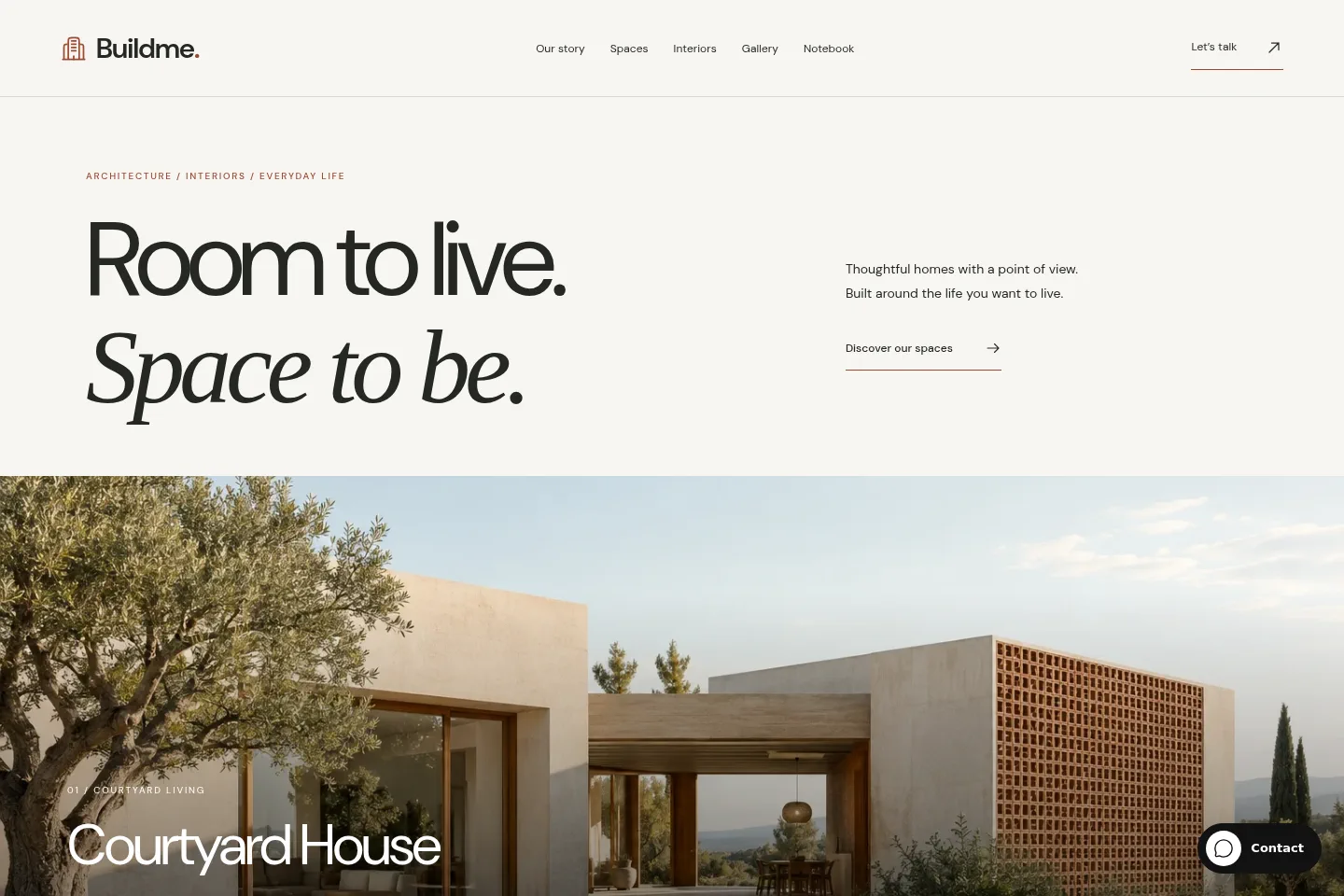 Material, space and intent.View the design study
Measured type and image-led chapters give the decisions behind a place enough room to be understood.
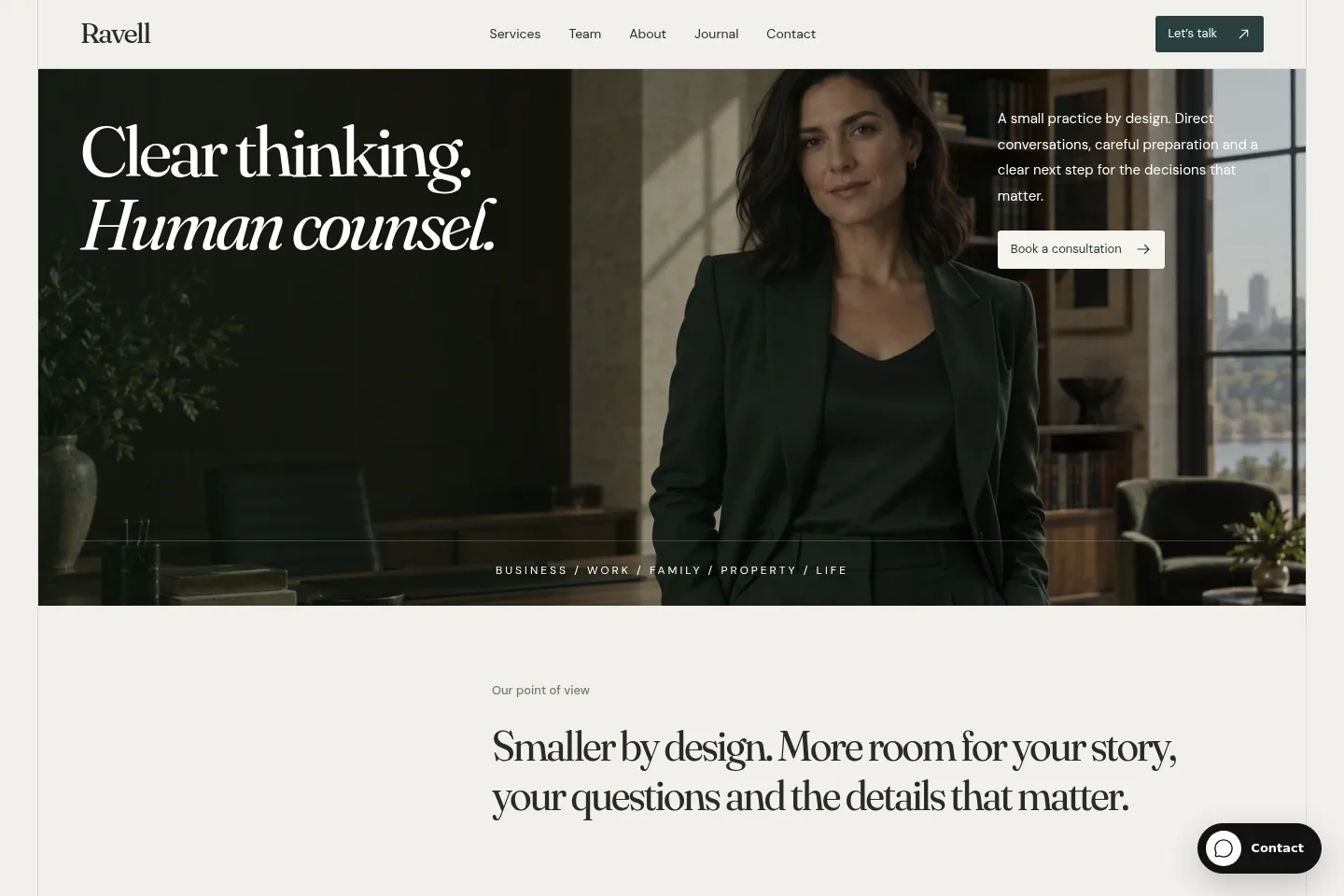 Trust through clarity.View the design study
Services, people and long-form thinking share one editorial system without flattening their different roles.
FROM CONTEXT TO APPROVED DIRECTION / 05 STEPS
01 / DISCOVER
Review the goals, audience, current website, content, references, constraints and the decisions the experience needs to support.
02 / STRUCTURE
Map the content, navigation and important journeys before visual polish makes an unresolved structure feel finished.
03 / DIRECT
Explore typography, color, imagery, composition and motion as one direction connected to the brief.
04 / PROTOTYPE
Design representative pages, responsive behavior and important states so the direction can be reviewed in context.
05 / PREPARE
Refine the approved work and document the components, assets, states and open questions needed for development.
THE DETAILS PEOPLE EXPERIENCE
Visual character and usability support each other when the hierarchy, content and interface states are considered together.
Page titles, navigation and landmarks help people understand where they are and what is available.
Type, spacing and image behavior build continuity while different page chapters keep their own pace.
Buttons, forms and disclosures explain their purpose and provide visible states around the action.
Headings, supporting copy and calls to action remain understandable across real content lengths.
Transitions support attention and sequence without delaying access to important information.
A few distinctive moments give the website character without making every element compete.
THE DESIGN SCOPE
The written scope identifies representative pages, responsive views, component states, content assumptions, prototypes, feedback rounds and final design files.
Additional pages, new content work or a change in direction can be estimated visibly instead of becoming hidden revisions.
DESIGN, BUILD & OWNERSHIP
The proposal states whether Designlof will develop the website, configure the CMS or prepare the design for another implementation team.
Fonts, photography, video, copywriting and third-party assets have their own owners, licenses and costs. We record what is supplied, created or acquired for the project.
01 / NEW WEBSITE
A focused route for a new offer, business or digital presence that needs its own content hierarchy, responsive page system and point of view.
We establish the information, visual language and representative experience before the work moves into development.
02 / WEBSITE REDESIGN
A route for an existing website whose story, navigation, visual language or important journeys no longer fit the business.
We audit the current experience and separate recognizable equity from the issues the redesign needs to solve.
BRING THE CONTEXT
Share the current website or idea, audience, required pages, available content, useful references, target launch context and the people involved in feedback.
The enquiry starts a design conversation. We review fit and confirm scope, timing and price before any project begins.
BEFORE THE FIRST FRAME
These answers explain content readiness, responsive design, redesign scope and the relationship between design and development. A written proposal remains the source of truth for a specific project.
 WhatsApp
Hello! Send us a message and we will reply here.